The Germans who came to farm the heath
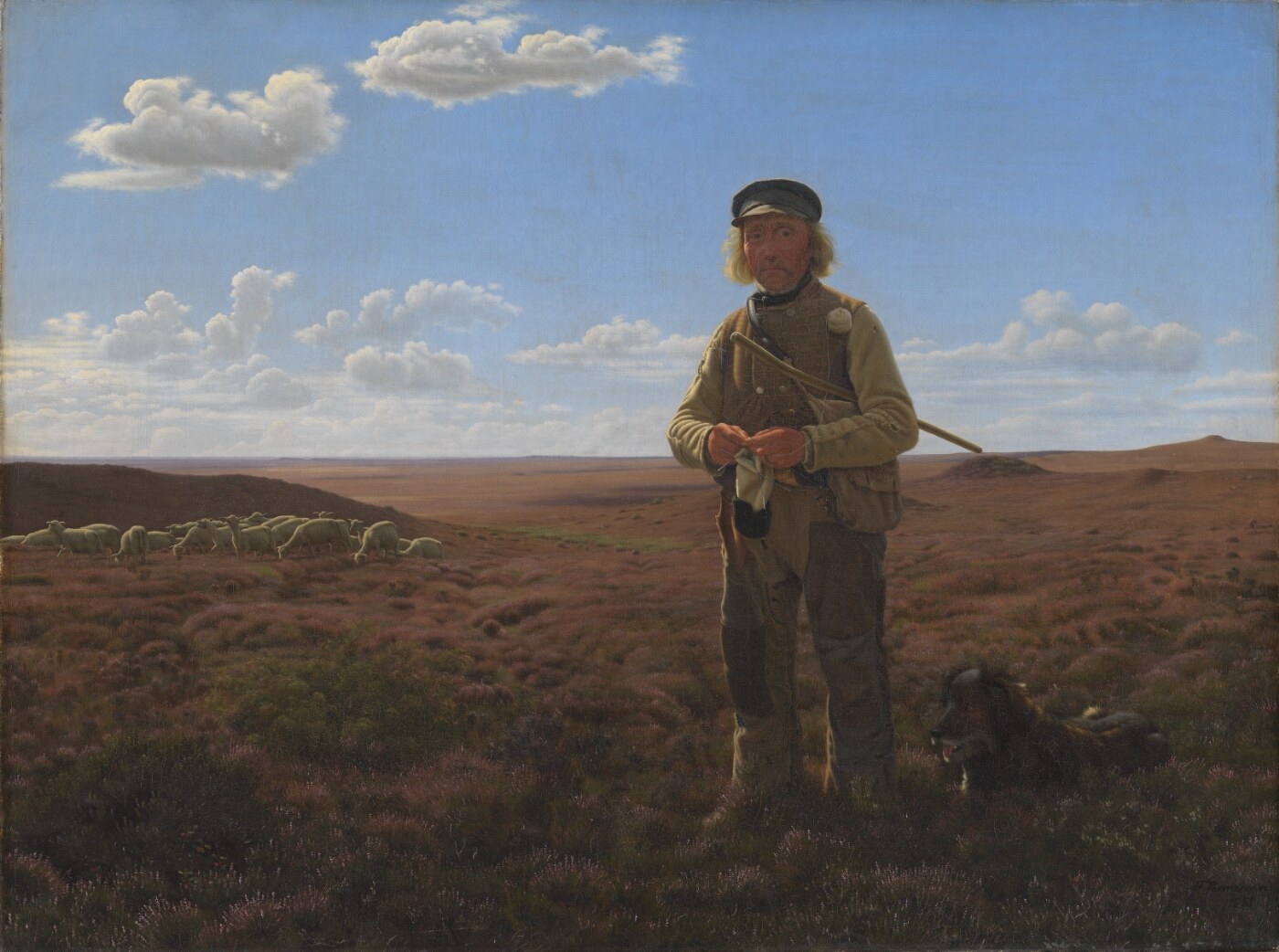
In 1759 the Danish crown advertised in Frankfurt for families willing to farm the empty heath of Jutland. Hundreds of families answered, most of them walked north, and a few dozen stayed for good. The Danes called them kartoffeltyskere, potato Germans.
My family is one of the ones that stayed. This site puts their story next to the bigger one, using sources anyone can check.
Start here
- The storyFrom the king's advertisement in 1759 to the last German sermon at Frederiks Church, and why the newcomers were called potato Germans.
- Our familyJohann Jeremias Frank from Eschelbach, Johan Jacob Dürr from Gronau, and how their surnames turned Danish within two generations.
- PlacesA map from the villages they left to the colonies on Alheden, and what you can still visit today.
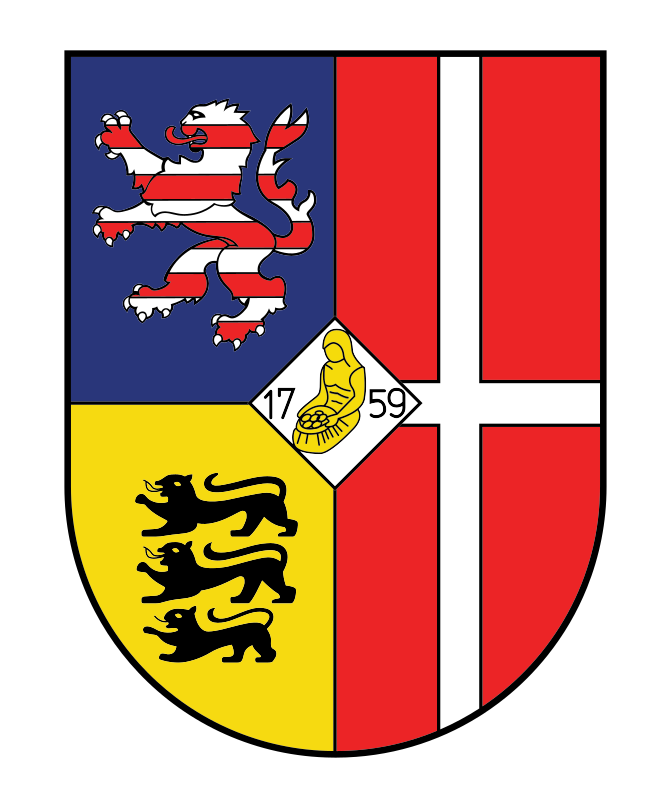
- The crestWhat the four parts of the emblem mean, and where the original is kept.
- SourcesEvery book, archive and website used here, and where to start if your own family might be one of them.
From Frank to Hansen
One way into the story is to follow a single surname. The Frank family arrived from the Kraichgau in 1760. Within two generations, Danish naming customs had replaced the German surname with patronymics, names taken from the father's first name.
- FrankJohann Michael Frank, born 1756 in Eschelbach, churchwarden in Grønhøj
- Mikkelsenhis son Niels Christian Leonhard Mikkelsen Frank, "son of Michael"
- LeonhardsenThrine Margrethe Leonhardsen, "daughter of Leonhard"
- JensenJensine Kristine Jensen, daughter of Niels Jensen
- Hansenher husband Jens Julius Hansen (1879–about 1977), my great-grandfather, whose surname their children took